Written by Ken Marshall
 Audited by Admin
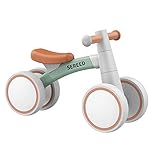
SEREED

SEREED

RoyalBaby
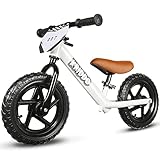
KRIDDO

Youthkkee

XBONFOE

RoyalBaby
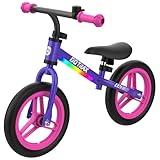
Gotrax

Youthkkee
Selecting the perfect ride for your little one’s first cycling steps matters more than most parents realise. With a great balance bike, you’re not just getting something fun—it’s a launching pad for coordination, confidence, and future pedal-powered adventures. Whether you’re browsing for a balance bike toddler, a balance bike for 2 year old, or hunting the top rated balance bikes for pre-schoolers or even older kids, this guide has you covered. We’ll define what a balance bike is, discuss why it’s often a smarter choice than training wheels, talk through sizing & features, and then profile several standout brands so you know where to focus..
At its simplest: A balance bicycle is a pedal free two wheel bike designed so a child sits with feet on the ground and pushes off, glides, and learns to balance. Parents often ask, “what is a balance bike?” — and that’s exactly it: it emphasises balance first, pedals later.
Training wheels keep kids upright, but they don’t teach them how to balance. In contrast, balance bikes give them the opportunity to familiarise with momentum, steering and stability before adding the complexity of pedalling. Many testers say children who learn on a good balance bike transition to pedalled bikes much more smoothly.
By choosing a balance bike for 3 year old or similar, you’re helping your child develop coordination, spatial awareness, gliding skills, and self propulsion—all foundational for safe biking later. They learn to pick up their feet, lean into turns, stop safely, and ride with independence.
If your goal is to find the best balance bike for your child, here are the major features and considerations you’ll want to compare:
Below are several standout brands and models (each ~150 words) that consistently show up in “best rated balance bike” lists and real world usage. While I could list dozens, I’ll keep it manageable and emphasise the ones mentioned in expert roundups and widely available.
Retrospec offers balance bikes that give excellent value for money and strong design for younger riders. Their bikes often feature a starting minimum seat height appropriate for toddlers around 1824 months. Reviewers highlight that their geometry is well thought through, giving a longer wheelbase for stability which is especially important when your child is first gliding. For example, the Retrospec line is mentioned frequently in “best balance bikes” lists as the best budget or entry pick. If you’re seeking a balance bike for 2 year old, or one that covers growth into age 34, Retrospec is a popular goto. The brand emphasises simplicity, solid components, and adjustable seat/posts so you can get decent years of use rather than a very short “fits only 6 months” lifespan. For parents keen to get a good start on the “balance before pedal” path without breaking the bank, this brand stands out.
Woom sits at the premium end of the market, offering lightweight builds, air tyres, hand braking and excellent fit. In the recommendations for “very best balance bikes for kids”, Woom models such as the GO 1 are highlighted as a top overall pick. If you’re looking for a bike that your child will use for years—from toddler through preschool—or you want something that delivers crisp ride quality, Woom is a strong option. For a balance bike for 4 year old or older preschooler, their larger models are ideal. While cost is higher, many parents feel the investment is worth it. For the rider who shows enthusiasm early, or for families who expect to pass down the bike to younger siblings, Woom is very much in the “top balance bikes” conversation.
Radio Flyer is a familiar name to many parents, and their balance bikes cater well to toddlers and preschoolers alike. Some models integrate air-filled tyres, adjustable seats, and playful styling which appeals to younger riders. In expert guides, the brand appears in the budget-friendly picks for kids transitioning into gliding and balancing. Two Wheeling Tots If you’re looking for a balance bike for 5 year old or a bike that’s easy to find in lots of stores and pass down between siblings, Radio Flyer is a sound choice—especially if features like big colour options and recognizable brand matter. It may not match the ultra premium specs of high end models, but it wins on accessibility, brand trust and good “beginner balance bike” credentials.
While not quite as universally covered in major review roundups as some of the others, Sereed offers solid midrange bikes with good adjustability and features. If you’re browsing for a cool balance bike with decent spec (for example larger wheel size, hand brake for older kids, adjustable components) and you’re focused on value plus usability, Sereed is worth a look. Many parents looking for bikes sized for kids around 35 years old (think balance bike for 3 year old or even balance bike for 7 year old) will find Sereed fits well between budget and premium. If you want something that looks good, works well, and doesn’t cost as much as toptier brands, Sereed may hit that sweet spot.
Velo is another brand that offers models aimed at a slightly older market range or those who want a bike that carries beyond the toddler stage. Their design often accommodates larger kids, making it a strong candidate for “balance bikes for toddlers” who are already tall or for kids entering the 45 age bracket and looking for longevity. If you’re thinking “I want the bike to last until they’re about balance bike for 5 yr old age or even beyond”, then Velo is a brand to consider. Adjustability, solid frames and good component quality are all benefits here.
The Glide And Go brand (or similar “glider” style models) represent bikes that emphasise the fun factor: easy gliding, smooth frame geometry, often lighter models for younger toddlers. If your child is younger (around 12 years) and you’re looking for a best balance bike for 1 year old or something very simple to get them started, a Glide And Go style bike is a smart choice. The idea is to get them comfortable with movement, confidence and fun rather than advanced features. The key word here is “glide” rather than “pedal transition” – so these models prioritise lightweight, ease of use and initial learning.
Rather than focus strictly on age, measure your child’s inseam (leg length from floor to crotch). Then check the bike’s minimum seat height: ideally it should be just slightly below the inseam so they can sit and push comfortably. Older or taller kids might benefit from a model sized for “balance bike for 3 year old” or “balance bike for 4 year old” etc. Experts emphasise fit over age label.
Budget models do the job, but may lack lightweight aluminium frames, air tyres or hand brakes. Premium models cost more but give better ride feel and longer life. Balance bikes don’t have to cost a fortune to be effective. Choose what you’re comfortable with.
Check how much seat adjustment the bike offers. Will it cover your child’s growth for a year or more? If you’re searching for a balance bike for 5 yr old, you may opt for larger wheels and higher seat range to give the bike longevity.
Pick a model from a reputable brand, ensure the components are solid, check for proper fit and stability, and don’t assume “cheap is okay” without checking reviews. One article cautions that some budget models may compromise on safety or fit.
Once you have the bike, make it fun! Encourage gliding, downhill coasting, and confidence building rather than pushing hard. The goal is for the child to enjoy the ride, develop their balance, and move at their own pace.
A: There’s no strict “right age” but most guides say when a child can walk steadily (often ~18 months to 2½ years) they can start a toddler sized bike. But older kids can also benefit—so you’ll find bikes labelled for age ranges up to 57 years.
A: It depends on when they start and how tall they are. Many kids use one for 12 years before moving to a pedal bike. Some stay gliding longer for fun. Fit and enjoyment matter more than age.
A: For younger toddlers you’ll often see 1012″ wheels; for preschoolers 14″ and beyond. But seat height and fit matter more than wheel size alone.
A: Absolutely. There are balance bike for 5 yr old and even up to balance bike for 7 year old models with larger wheels, higher seat ranges and hand brakes. These let older kids still enjoy balancing before pedalling.
A: While not mainstream yet, the term electric balance bike or “ebalance bike” is emerging. These models are more advanced and often aimed at older kids or novelty riding. If you go this route, ensure safety features are strong, and the design still emphasises balance rather than just throttle.
A: A regular bike with training wheels still keeps the child upright—they don’t learn how to balance independently. A proper balance bike teaches balancing from the getgo, making transition to pedal bikes easier and smoother.
When you filter through all the noise—top balance bikes, balance bikes for toddlers, best rated balance bike, cool balance bike, even adult balance bike—the best ride is the one that fits your child, gets used regularly, and gives them joy. A bike they avoid is a wasted investment.
With the brands and advice above—whether you go with Retrospec, Woom, Radio Flyer, Sereed, Velo or a gliderstyle bike—you’re well equipped to pick a model your child will love and use. Here’s to many glides, smiles, and that magical moment when they push off and feel truly free on two wheels.